Bible Figure
Judas of Galilee

Judas of Galilee was a revolutionary figure mentioned by Gamaliel in Acts 5 as having arisen during the census and drawn followers after himself. His movement was suppressed, but his name remained associated with resistance to Roman rule.
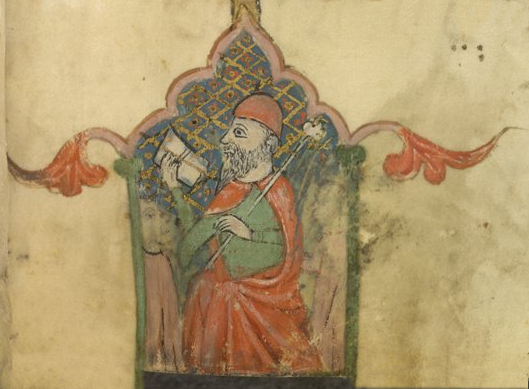
Biography
Gamaliel refers to Judas the Galilean while urging the Jerusalem council not to act rashly against the apostles. He says Judas arose in the days of the census, drew people after him, perished, and saw his followers scattered. The Jewish historian Josephus provides additional historical context, associating Judas with resistance to the census connected with Quirinius and with the conviction that paying tribute to Rome compromised God's sole kingship. Acts itself uses Judas only as a historical example of a movement that collapsed after the death of its leader.
Biblical Significance
Judas of Galilee provides political background for the New Testament period, illustrating the revolutionary tensions created by Roman rule and taxation. Gamaliel's use of his failed movement creates a contrast with the apostolic mission: if the Christian movement were merely human, it too would disappear, but if it were from God it could not be overthrown.