Bible Figure
Judas Iscariot
notable as betrayer of Jesus, one of Jesus's original twelve disciples

Judas Iscariot was one of the Twelve apostles and the disciple who betrayed Jesus to the authorities. He arranged the betrayal for money, identified Jesus to the arresting party, and afterward experienced remorse and died.
Biography
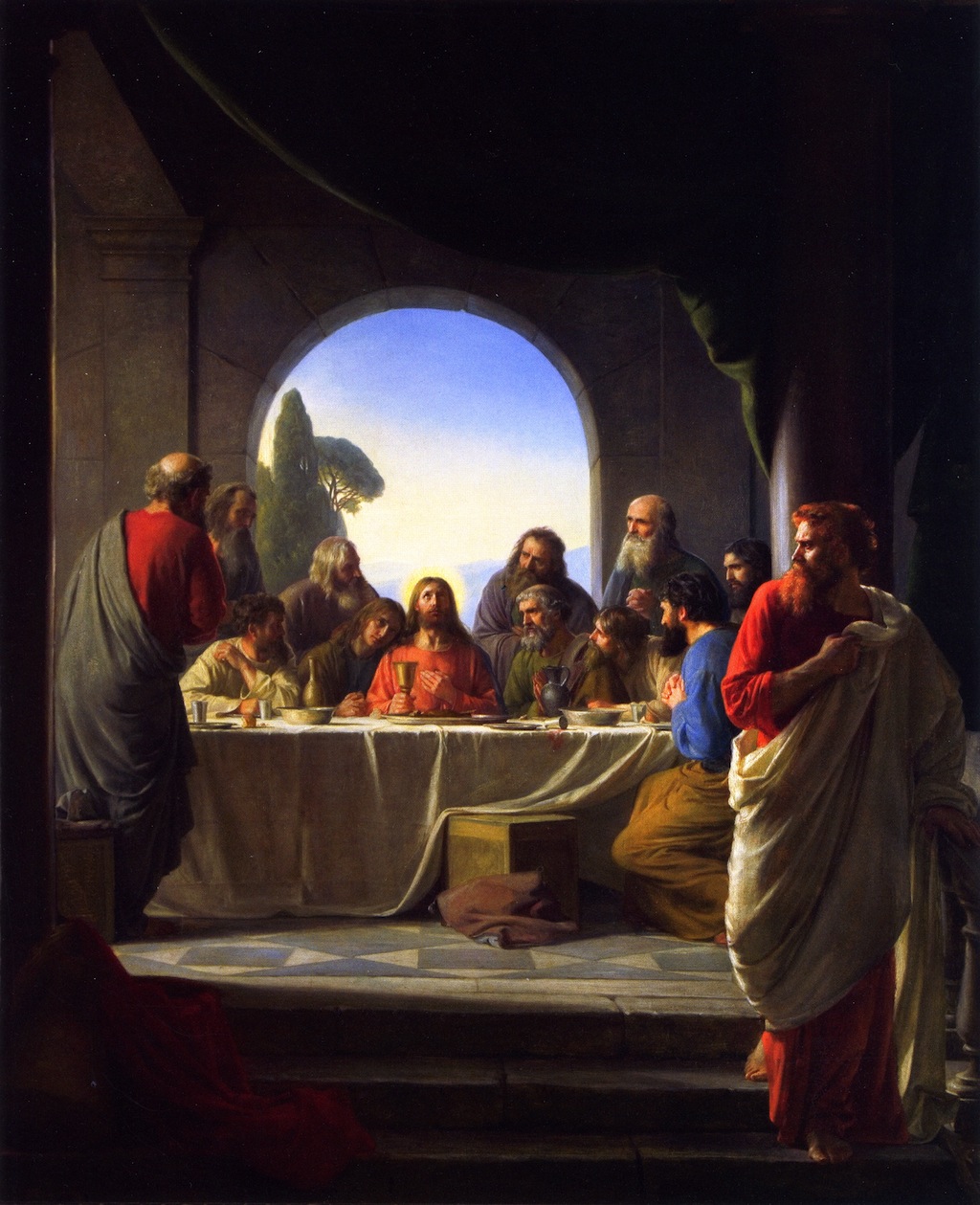
Judas Iscariot was chosen among the Twelve and participated in Jesus' ministry, yet the Gospels increasingly identify him as the future betrayer. John says he kept the common money bag and also accuses him of stealing from it. During the final approach to Passover, Judas went to the chief priests and arranged to hand Jesus over in exchange for money. At the Last Supper Jesus announced that one of the disciples would betray Him and identified the betrayer in ways understood by the Gospel narratives. Judas later led or accompanied the arresting party to Gethsemane and identified Jesus with a kiss in the Synoptic accounts. Matthew says Judas, seeing Jesus condemned, regretted what he had done, returned the silver, and hanged himself. Acts later recounts Judas' death and the acquisition of the Field of Blood from another perspective while explaining the vacancy among the Twelve. Matthias was subsequently chosen to replace him.
Biblical Significance
Judas Iscariot is the New Testament's starkest example of privileged proximity to Jesus without faithful allegiance. His betrayal forms part of the Passion narrative while also raising enduring themes of greed, hypocrisy, responsibility, remorse, and the fulfillment of Scripture.