Bible Figure
Nicodemus
Pharisee, biblical figure appearing in the Gospel of John

Nicodemus was a Pharisee and ruler of the Jews who came to Jesus by night in John 3. He later defended fair procedure when other leaders condemned Jesus and finally joined Joseph of Arimathea in giving Jesus an honorable burial.
Biography
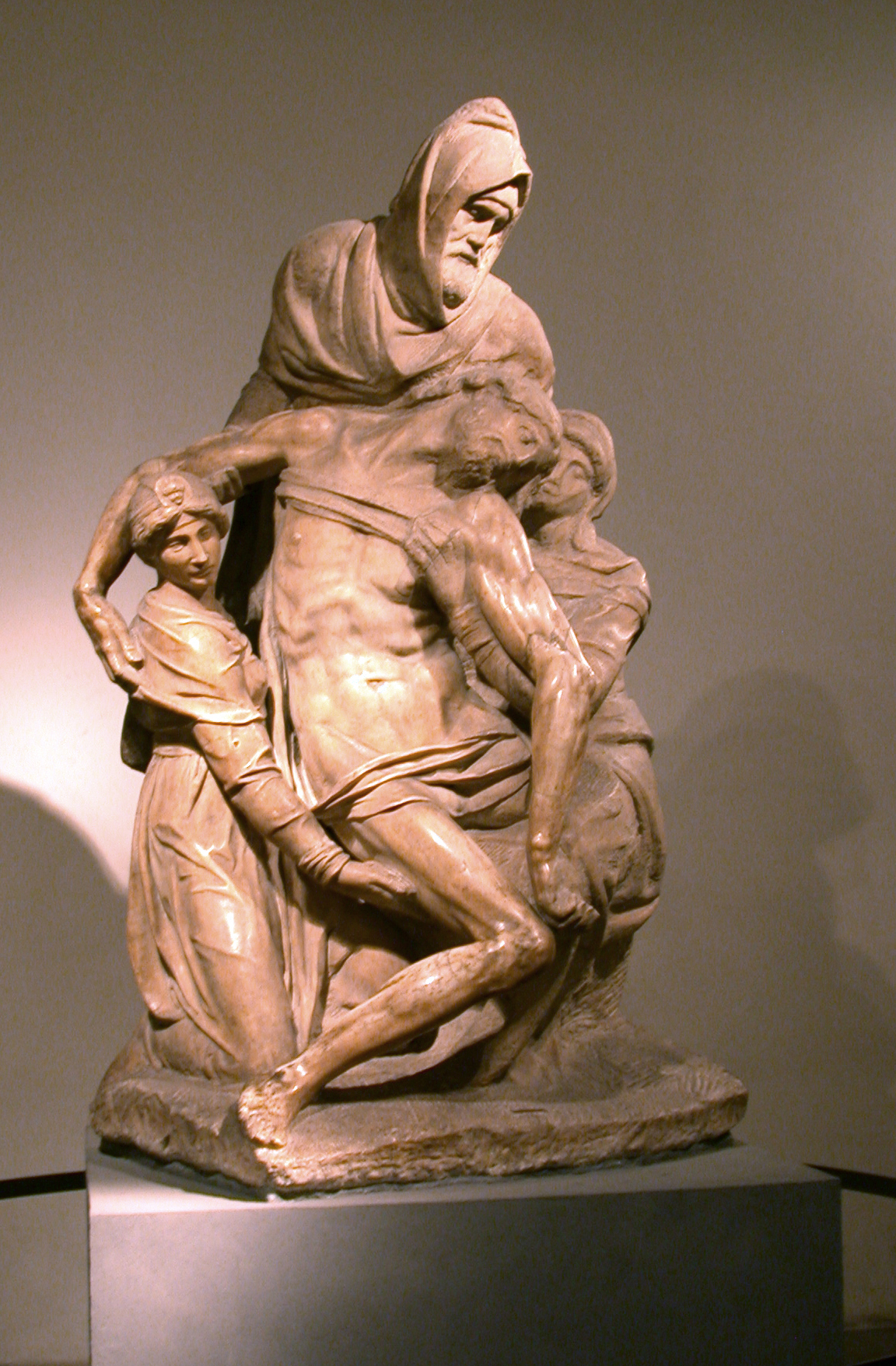
John 3 introduces Nicodemus as a Pharisee and ruler who acknowledged that Jesus' signs demonstrated God's presence with Him. Jesus told him that no one can see God's kingdom without being born from above or born again, leading to an extended discussion of new birth by water and Spirit, the lifting up of the Son of Man, God's love for the world, faith, and judgment. Nicodemus struggled to understand the imagery, and Jesus challenged him as a teacher of Israel. In John 7, when authorities criticized those impressed by Jesus, Nicodemus asked whether their law judged a man without first hearing him and learning what he was doing. After the crucifixion, Nicodemus joined Joseph of Arimathea and brought a very large quantity of myrrh and aloes for Jesus' burial. Together they wrapped the body with spices according to Jewish burial custom.
Biblical Significance
Nicodemus' three appearances trace a movement from private inquiry, to cautious public fairness, to costly identification with Jesus in burial. His conversation with Jesus contains some of John's most important teaching about new birth, faith, salvation, and the Son of Man.