

As the Apostles’ numbers grew, certain people became overlooked, such as the Gentile widows. Seeing a need to delegate roles, the disciples elected the first seven deacons. These deacons had to “be full of wisdom and the Spirit.” They would take charge of the distribution of food to the widows, as well as perform other duties. The disciples chose Stephen, and six others, and prayed over them as they began their ministry.
He was likely Jewish, since he was very well versed in the the scriptures and Jews, from an early age, memorized portions of the Old Testament. He also was likely a Hellenistic Jew, which makes his placement as deacon in charge of the distribution of food to the Hellenistic widows logical. His combined Hellenistic and Hebrew upbringing also helps explain his apology-like speech to the Sanhedrin, the Jewish Council.
Stephen also performed various wonders and signs, (Acts 6:8). When this occurred, Stephen drew opposition from a group called the Synagogue of the Freedmen. This group of Alexandrians and Cyrenians argued with him, but when they could not effectively counter Stephen’s arguments, they produced false witnesses to claim that he had blasphemed in order to dispose of him.
In a very Socratic fashion, Stephen gives a point-by-point rendering of the Old Testament and how it related to Jesus’ work and through his death and resurrection. While using Jewish examples, he generates an argument similar to the ones used by Plato and Socrates.
He shows how Israelites in the Old Testament failed to see past their stubbornness and turned away from God and persecuted and killed anyone who spoke God’s word (such as the prophets). In the same way, the Jews had refused to listen to Jesus during his ministry on earth and, instead, killed him when they could no longer stand his words.
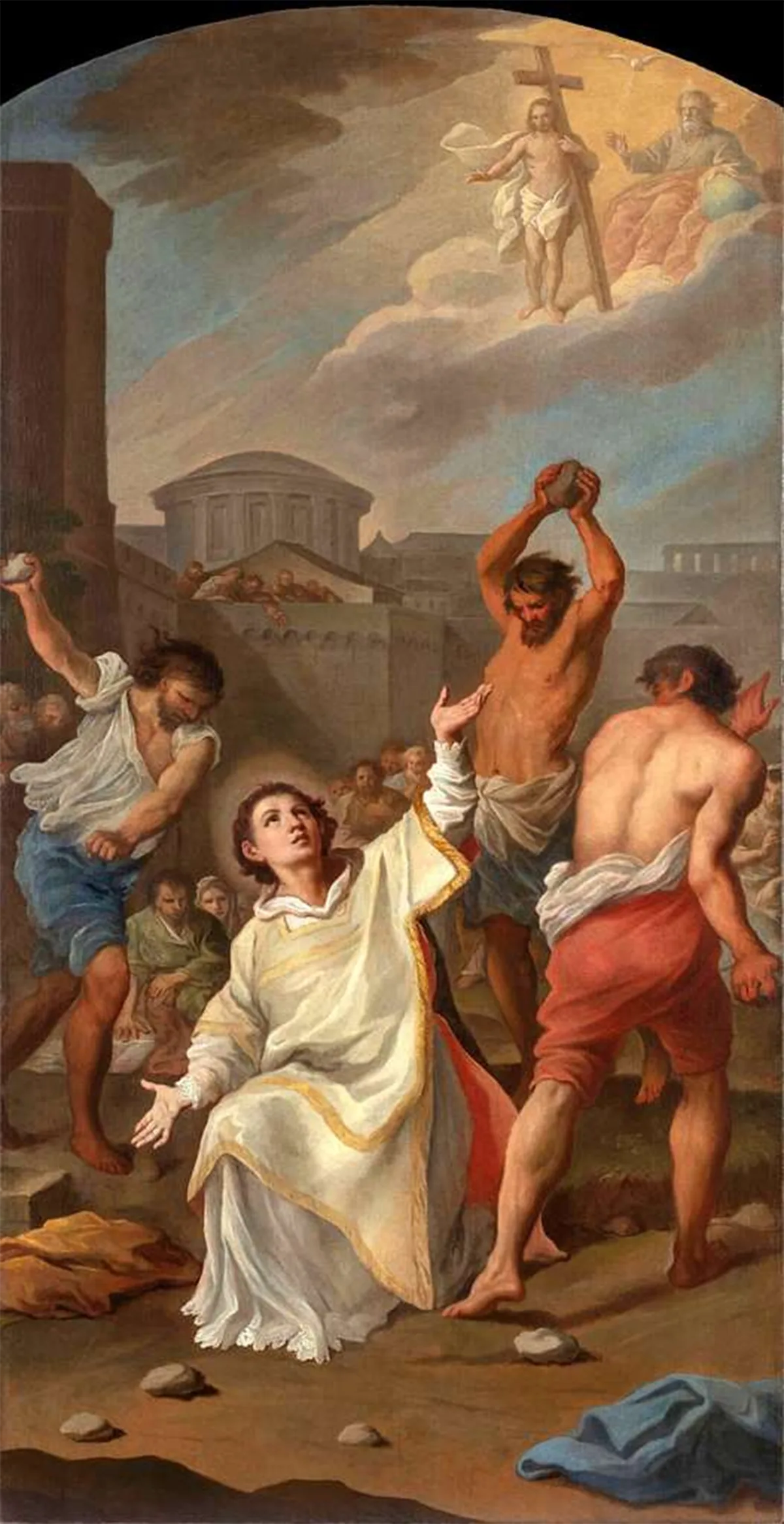
This enraged the members of the Sanhedrin, leading them to order Stephen’s death by stoning. Just before they dragged Stephen out of the city to be stoned, he receives a vision of heaven wherein he saw Jesus standing at the right hand of God.
Stephen shows believers today that they can have a powerful impact for the kingdom, if even for a short period of time. While we don't know how long Stephen’s ministry lasted, it appears he receives opposition very soon into the journey.
Secondly, it is illustrated that no matter where we come from, God can use our past to shape our testimony and witness. Stephen had both a Hellenistic and Jewish background, which helped him to preach to multiple audiences. He showed the Sanhedrin his immense knowledge of the Scriptures, and through his Greek rhetoric, he had the apologetic power of a speaker like Apollos (Acts 18:24).
Thirdly, and most importantly, Stephen shows us the cost of faith. Preachers often will speak about Stephen because he was the first Christian to die for his beliefs. Whether we live in a country full of religious freedoms or in a restricted area, we may at some point find ourselves in situations where we must choose between renouncing our faith or dying for it.


