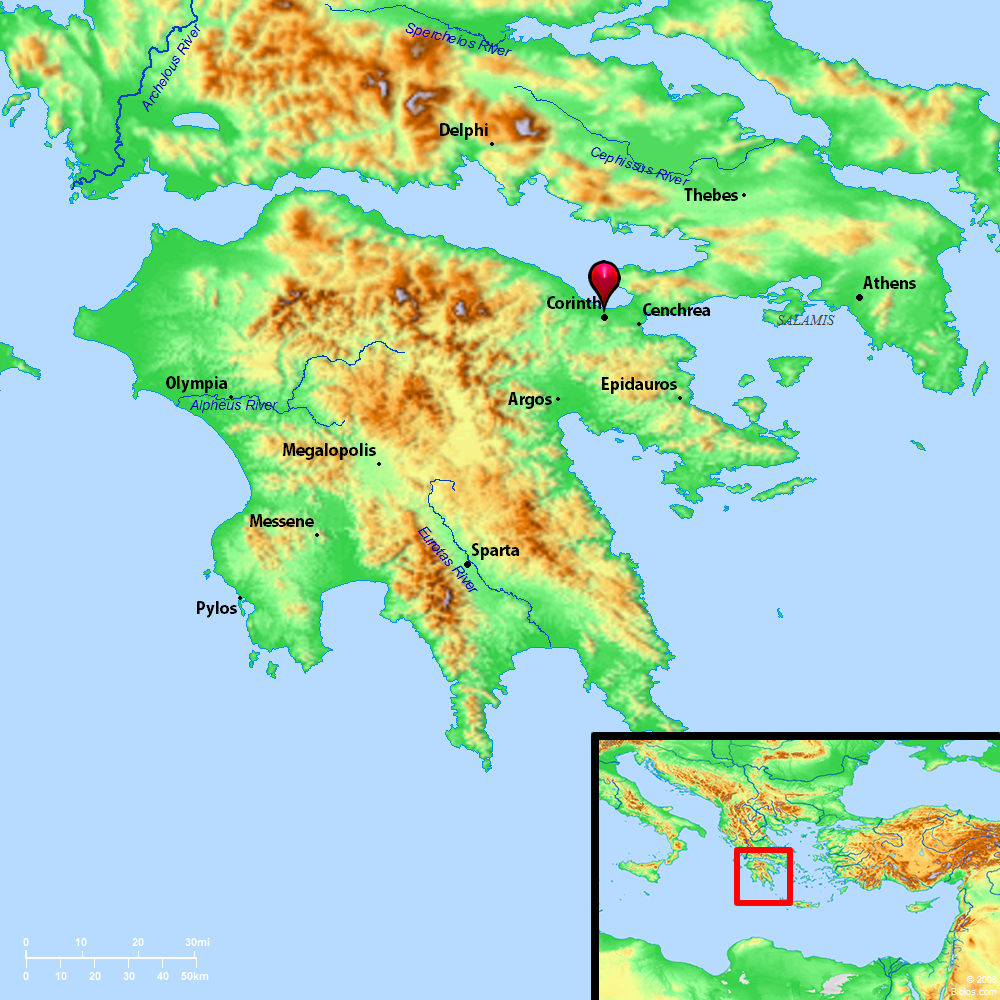
Timothy was a disciple of Paul. He was born at Lystra in Lycaonia to a Greek father and a mother named Eunice, who was a Jew. His grandmother's name was Lois and the apostle Paul commended the piety of these two women and the excellent education that they had given Timothy.
Then he came to Derbe and Lystra. And behold, a certain disciple was there, named Timothy, the son of a certain Jewish woman who believed, but his father was Greek. (Acts 16:1)
When Paul went to Derbe and Lystra, (c. 51 - 52 A.D.), the brethren gave such wonderful testimony about the qualities of Timothy that Paul took Timothy with him to assist him in propagating the doctrine of the Lord. Timothy applied himself to the work of the gospel and helped Paul faithfully. Paul referred to Timothy as his dearly beloved son and also as his brother, a companion in his labors, and a man of God.
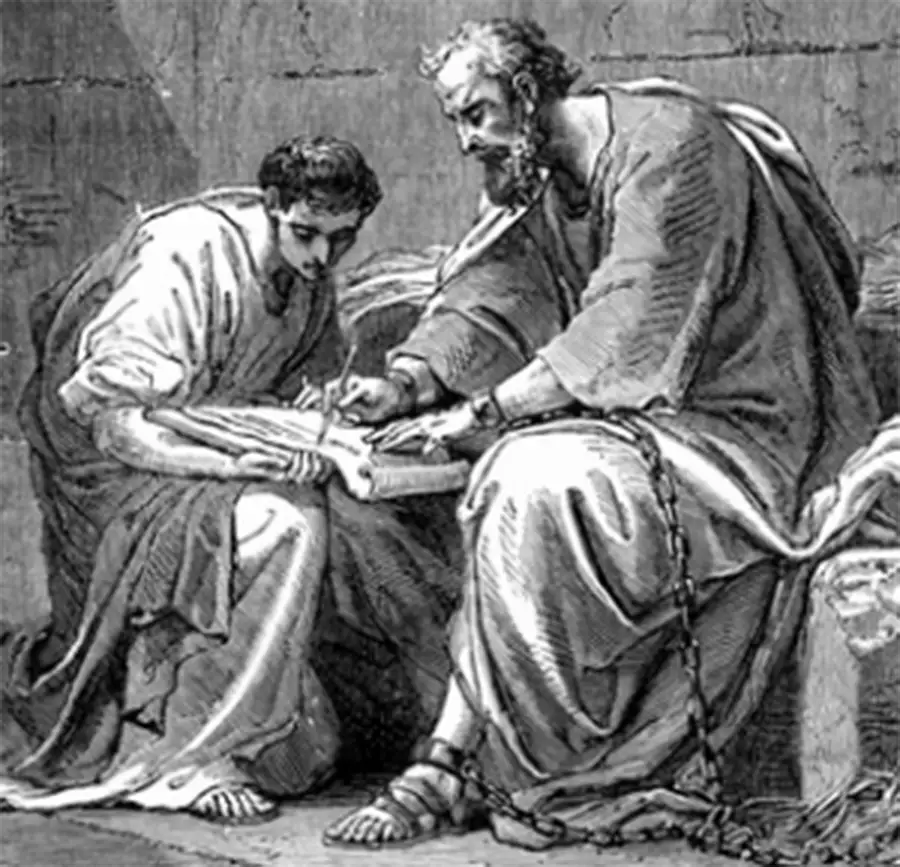
Timothy accompanied Paul to Macedonia, Philippi, Thessalonica, and Berea. When the Paul left Berea, he left Timothy and Silas there to confirm the converts, and when Paul arrived in Athens, he sent for Timothy to come to him. When Timothy arrived and gave Paul an account of the churches of Macedonia, Paul sent him back to Thessalonica, from where he and Silas traveled to meet Paul at Corinth. Timothy continued with him there for some time, and was mentioned along with Silas at the beginning of the two Epistles he wrote to the Thessalonians.
Some years later, Paul sent Timothy and Erastus into Macedonia, giving Timothy orders to also call on the believers in Corinth to refresh their minds concerning the truths which he had taught them. Sometime after, writing to the same Corinthians, Paul recommended they take care of Timothy and send him back in peace to him in Asia. Paul and Timothy traveled together to Macedonia, and the apostle put Timothy’s name with his own before the second Epistle to the Corinthians, which he wrote from Macedonia (c. AD 57).
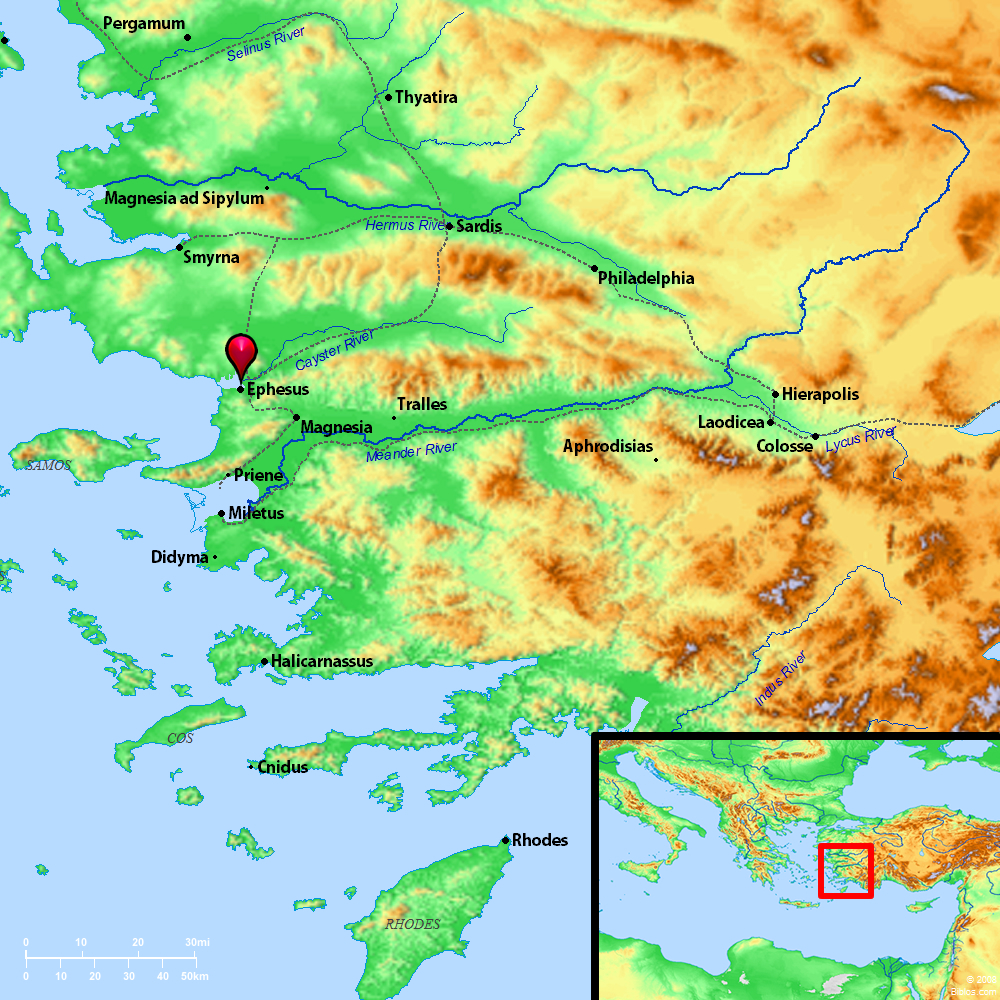
When Paul returned from Rome in 64, he left Timothy at Ephesus to take care of that church, becoming its first bishop, ( as recognized by the Council of Chalcedon). Paul wrote to Timothy from Macedonia, in the first of the two letters addressed to him, recommending that he be more moderate in his austerities and drink a little wine because of the weakness of his stomach and his frequent infirmities.
When Paul came to Rome in the year 65, he was very near his death, Paul wrote to Timothy in his second such letter, expressing tenderness for this his dear disciple and asking him to come to Rome before winter and bring with him several things that he left at Troas. If Timothy went to Rome, (which appears probable), he likwly became eyewitness of the martyrdom of Paul, which happened in about AD 68.
After Timothy visited Paul at Rome, he returned to Ephesus, where he continued to govern the church as its bishop. At some point, the pagans held a great feast, in the celebration of which they carried in procession the images of their idols. Seeing the procession, Timothy was so angered that he rushed in among them in order to stop their proceedings. He was set upon by them with clubs, and they beat him unmercifully, killing him. His disciples interred his remains on the top of a mountain a small distance from the city.
Paul's letters to Timothy advise how one should lead a church and care for its members, and what qualities good leaders should have. Timothy's story teaches us how the early Christian church grew and how leaders were taught to look after their communities.